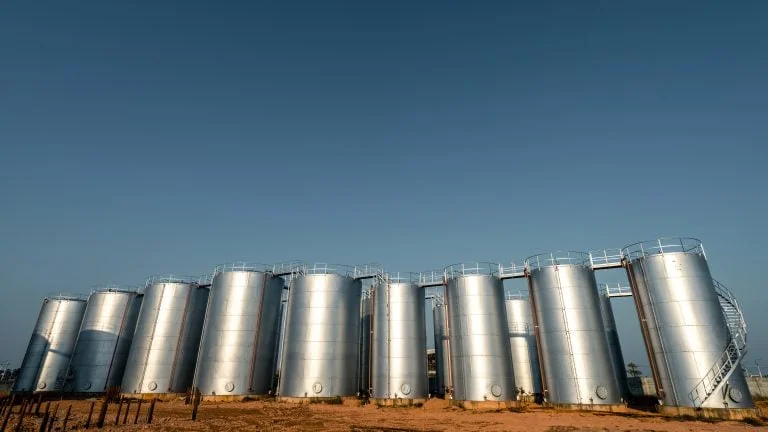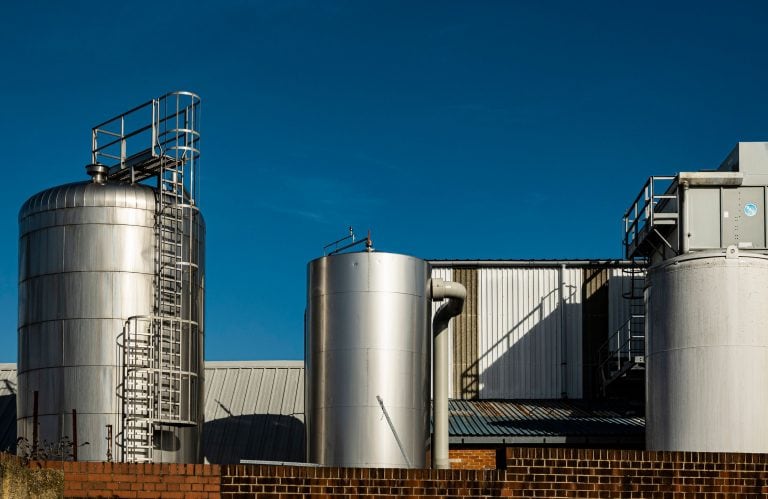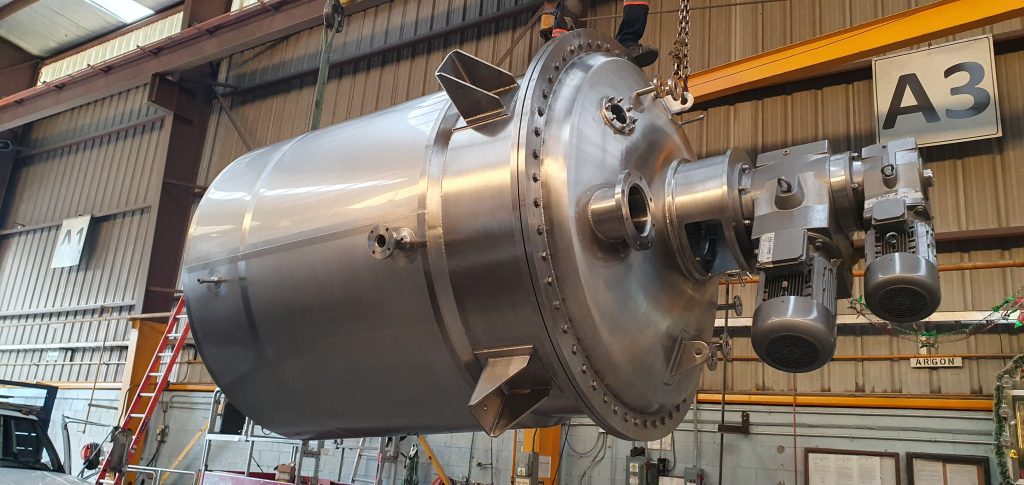
El desarrollo de infraestructura de procesamiento en la industria manufacturera demanda una planeación rigurosa donde cada activo de capital sea rigurosamente evaluado. Solicitar una cotización de tanques industriales no debería ser un proceso improvisado, apresurado o basado únicamente en catálogos comerciales preexistentes. Ya sea para almacenar materias primas, mezclar soluciones compuestas, calentar fluidos de proceso o enfriar productos terminados, cada variable técnica incide de manera directa en el presupuesto inicial y en la posterior continuidad operativa de la planta.
En los departamentos de ingeniería especializados en la fabricación de bienes de capital, sabemos que elegir el diseño estructural, la aleación metalúrgica y las especificaciones complementarias correctas es la única vía para asegurar un funcionamiento eficiente, seguro y altamente rentable a largo plazo.
Si su organización está por iniciar un proyecto de inversión en activos críticos de acero inoxidable, es fundamental reconocer que la cotización de tanques industriales representa un profundo ejercicio de ingeniería aplicada. Cada variable integrada en los pliegos técnicos define no solo la viabilidad del proceso, sino también la vida útil estimada del equipo bajo condiciones severas de trabajo.
Evitar sobrecostos financieros en la fase de adquisición y mitigar la necesidad de rediseños posteriores en el piso de producción comienza con una definición técnica exacta y transparente. En esta guía especializada para entornos industriales B2B, desglosamos minuciosamente los factores críticos que los responsables de ingeniería y compras deben evaluar minuciosamente antes de emitir o solicitar una propuesta técnica y económica formal.
The Impact of Front-End Engineering Design on Equipment Lifecycle
Un error recurrente en las etapas iniciales de licitación o desarrollo de proyectos es omitir aquellas variables que definen la integridad estructural y la resistencia a la fatiga del contenedor. El diseño de recipientes de proceso en acero inoxidable involucra un análisis riguroso de esfuerzos mecánicos, resistencia a la presión, fatiga por ciclos térmicos continuos y dinámicas de flujo interno.
Definir con absoluta claridad estas especificaciones desde el primer contacto comercial acelera la ingeniería básica del fabricante. Asimismo, disminuye sensiblemente los tiempos de entrega del taller y mitiga por completo los reajustes presupuestarios imprevistos durante la fase crítica de fabricación metalmecánica.
Cuando los ingenieros de planta colaboran estrechamente con el fabricante aportando datos operativos validados, la cotización de tanques industriales se transforma en un blindaje financiero para el proyecto. Esto permite que el cálculo de espesores de lámina, la selección de cabezales y el dimensionamiento de los sistemas de soporte se optimicen matemáticamente desde la primera corrida de diseño.
Como resultado directo de esta precisión de datos, la planta optimiza su inversión inicial de capital y previene fallas mecánicas catastróficas que podrían comprometer la seguridad de los operarios y la rentabilidad del negocio.
Factores críticos para determinar la función del recipiente
El primer paso indispensable para formular una cotización de tanques industriales precisa y libre de desviaciones consiste en definir con exactitud la función primaria que desempeñará el equipo en la línea de producción. No es técnicamente viable aplicar los mismos criterios constructivos para un contenedor estático destinado al almacenamiento de materias primas que para un reactor dinámico expuesto a agitación severa.
Los tanques destinados estrictamente al almacenamiento masivo se configuran bajo parámetros que priorizan la optimización volumétrica y el control ambiental básico, manejando presiones atmosféricas y fluidos estables.
Por el contrario, los recipientes destinados a actuar como reactores de mezcla, fermentadores o sistemas de transferencia térmica demandan geometrías complejas y configuraciones mecánicas robustas. Estos equipos de proceso requieren la integración de sistemas de agitación especializados, tales como impulsores tipo ancla para fluidos de alta viscosidad, turbinas Rushton para dispersión de gases o propelas marinas diseñadas para optimizar regímenes de flujo.
Cada uno de estos componentes mecánicos se calcula de forma personalizada para romper vórtices, dispersar fases gaseosas o mantener emulsiones completamente homogéneas de acuerdo con los requerimientos específicos de su proceso manufacturero.
Adicionalmente, los contenedores auxiliares integrados en los sistemas de limpieza automatizada o estaciones CIP (Clean-In-Place) exigen un enfoque de diseño orientado por completo a la desinfección total. estos tanques auxiliares deben ser capaces de soportar ciclos alternados de soluciones ácidas y alcalinas calientes sin sufrir degradación química superficial.
Por esta razón, establecer desde el requerimiento inicial si el equipo realizará funciones de almacenamiento, reacción química o saneamiento es el pilar fundamental sobre el cual los ingenieros estructuran una propuesta económica viable.
Caracterización del producto y requerimientos metalúrgicos
La naturaleza fisicoquímica del fluido que se procesará o almacenará determina directamente el grado de la aleación de acero inoxidable y los acabados superficiales requerimos en las paredes internas. Dependiendo de los sectores normativos, como la industria farmacéutica, alimentaria, cosmética o química pesada, los requisitos de compatibilidad química y pureza varían drásticamente.
Por ejemplo, el uso de acero inoxidable grado 316L resulta estrictamente necesario cuando el contenedor estará expuesto a productos con alta concentración de cloruros, soluciones ácidas o bases alcalinas que inducen corrosión por picaduras.
Más allá de la correcta selección metalúrgica entre las series 304L y 316L, las propiedades reológicas del fluido, como su viscosidad cinemática, densidad relativa y comportamiento de flujo, dictan el acabado superficial idóneo. Los pulidos mecánicos tradicionales y los procesos avanzados de electropulido permiten alcanzar rugosidades superficiales certificadas con valores Ra inferiores a los 0.4 micrómetros.
Estas operaciones metalúrgicas avanzadas se complementan invariablemente con un riguroso proceso de decapado y pasivado químico, elementos mandatorios en todas las aplicaciones asépticas modernas.
La especificación precisa de estas microgeometrías superficiales tiene como propósito fundamental eliminar cualquier imperfección o microrrugosidad en las paredes del acero inoxidable. Al suprimir estas irregularidades físicas, se impide de forma efectiva la adherencia mecánica del producto y la posterior proliferación de biofilmes bacterianos difíciles de erradicar.
Por tanto, documentar las fichas de seguridad, el pH de las sustancias y las curvas de viscosidad del fluido permite que la cotización de tanques industriales refleje fielmente los costos de los tratamientos superficiales requeridos.
Delimitación de parámetros operativos y regímenes térmicos
Para que la proyección técnica de su próximo equipo sea mecánicamente viable, es indispensable cuantificar con máxima precisión matemática los límites operativos del sistema. El régimen térmico de operación representa una de las variables con mayor peso en el cálculo estructural del recipiente de proceso.
Las temperaturas extremas de trabajo y la velocidad requerida para los ciclos de calentamiento o enfriamiento determinan la configuración de las chaquetas de transferencia de calor instaladas en el cuerpo del equipo.
Los ingenieros evalúan si el proceso se beneficia más de una chaqueta de media caña para fluidos térmicos a altas presiones, una chaqueta de hoyuelos para optimizar la turbulencia o canales internos de flujo. De forma paralela, la presión interna de diseño dicta los espesores mínimos que deben poseer las placas de acero inoxidable para garantizar la contención segura de la energía.
Un equipo que opera a presión atmosférica requiere un cálculo estructural considerablemente menor que un reactor diseñado para resistir presión positiva constante o condiciones severas de vacío crítico.
Las condiciones de vacío absoluto exigen una atención analítica especial debido al riesgo inminente de fallas por pandeo estructural o colapso por presión externa. Los cálculos de fatiga mecánica deben considerar tanto estas presiones neumáticas como los esfuerzos dinámicos y las fuerzas torsionales transmitidas por los motores de alta potencia en los sistemas de mezcla pesada.
Garantizar que todos estos coeficientes de seguridad estén contemplados en la etapa de ingeniería preliminar evita costosas modificaciones estructurales durante el proceso de manufactura del equipo.
Alineación con normativas internacionales y códigos de fabricación
El marco regulatorio que rige el diseño y la manufactura de recipientes industriales no representa un factor opcional ni meramente administrativo para las plantas de procesamiento. Estos estándares internacionales definen los métodos de prueba no destructivos, los criterios de soldadura aceptables y los protocolos de inspección necesarios para el blindaje legal de su planta.
Los tanques de alta especificación sujetos a presiones internas mayores a 15 PSI comúnmente deben alinearse con los lineamientos del Código ASME Sección VIII División 1.
Dicha certificación internacional exige memorias de cálculo detalladas, soldadores calificados bajo procedimientos normados y la colocación de la estampa oficial sobre la placa de datos del equipo. Por otra parte, cuando el proyecto contempla sistemas de almacenamiento a gran escala de combustibles líquidos o productos químicos a presiones bajas, los estándares API 650 y API 620 dictan las directrices constructivas.
Estas normas internacionales regulan desde los métodos de cimentación y anclaje hasta las tolerancias dimensionales permitidas en las uniones soldadas en campo.
En los sectores biofarmacéutico y de grado alimentario, los criterios se vuelven aún más restrictivos, debiendo alinearse estrictamente con las directrices de la norma ASME BPE y las regulaciones de la FDA. Estas normativas higiénicas exigen que todos los sellos mecánicos, empaques elastoméricos y componentes internos sean completamente inertes, estables ante la temperatura y libres de espacios muertos que retengan producto.
Especificar el nivel de cumplimiento normativo requerido en la cotización de tanques industriales es indispensable para estimar el alcance real de las pruebas de laboratorio y los dossiers de validación.
Dimensionamiento geométrico e ingeniería de integración en planta
Contar con una aproximación confiable de la capacidad volumétrica nominal y útil expresada en litros o metros cúbicos representa únicamente el punto de partida en el diseño geométrico. Una correcta cotización de tanques industriales demanda la definición exacta de la orientación espacial del equipo, seleccionando configuraciones verticales u horizontales con fondos toriesféricos, cónicos o planos según el método de drenado.
No obstante, la viabilidad del proyecto depende críticamente de la evaluación de las restricciones físicas reales existentes en el sitio de instalación.
Los encargados del proyecto deben auditar los accesos arquitectónicos de la planta, las alturas máximas libres bajo techo, las capacidades de carga de las losas de cimentación y planificar la ingeniería de izaje necesaria. Más allá de las dimensiones generales del contenedor, el mapa detallado de conexiones e instrumentación periférica debe ser rigurosamente trazado para evitar interferencias mecánicas durante el montaje en sitio.
Esto incluye especificar los tipos de bridas bajo estándares ANSI o DIN, o bien conexiones rápidas sanitarias Tri-Clamp de alta pureza.
Asimismo, se debe prever la ubicación y el diámetro de las mirillas de inspección, las válvulas de alivio de presión y vacío, los puertos especializados para sensores de nivel o temperatura, y la disposición de las bolas de limpieza CIP. Una definición geométrica incompleta provoca desfases críticos durante la integración con las tuberías existentes en la planta de proceso.
Por ello, la entrega de diagramas conceptuales claros acelera significativamente el proceso de cotización técnica y optimiza el uso del espacio disponible en las instalaciones del cliente.
Documentación técnica indispensable para solicitudes de cotización
Para agilizar los canales de comunicación y asegurar que las propuestas económicas reflejen con total exactitud las necesidades de su planta, es fundamental compilar un paquete de información técnica estructurada. El documento primordial en esta etapa es la hoja de especificaciones o datasheet del equipo, la cual concentra los parámetros mecánicos, térmicos y químicos recopilados por sus ingenieros de planta.
Este documento actúa como la guía central que unifica los criterios de diseño entre el comprador y el equipo de ingeniería del fabricante.
En proyectos donde el recipiente interactúa de forma directa y continua con múltiples equipos aguas arriba y aguas abajo, la inclusión del diagrama de flujo de proceso o PFD resulta de enorme valor técnico. Este diagrama permite a los diseñadores comprender las dinámicas de llenado, los tiempos de residencia del fluido, los caudales de bombeo y la integración general del tanque dentro de la arquitectura de la línea de manufactura.
Finalmente, aportar planos de planta actualizados con las dimensiones críticas del sitio y las limitantes de espacio reduce considerablemente los márgenes de error.
Al proporcionar este conjunto de documentos técnicos validados, las empresas reducen significativamente el tiempo de respuesta de los departamentos de ingeniería y obtienen cotizaciones altamente competitivas y transparentes. La claridad informativa inicial elimina la necesidad de aplicar factores de contingencia económica por incertidumbre técnica, traduciéndose de inmediato en un costo total de adquisición optimizado para la organización.
Definir con precisión matemática cada detalle constructivo garantiza que el activo de capital se integre perfectamente a sus procesos productivos desde el primer día de su puesta en marcha.
¿Necesitas asesoría técnica con componentes OEM? En Falco Latinoamericana nos especializamos en ofrecer soluciones a la medida para la industria. Si tienes dudas sobre las especificaciones de nuestros productos o requieres una cotización formal para tu proyecto, ponte en contacto con nuestro equipo de ingenieros hoy mismo.