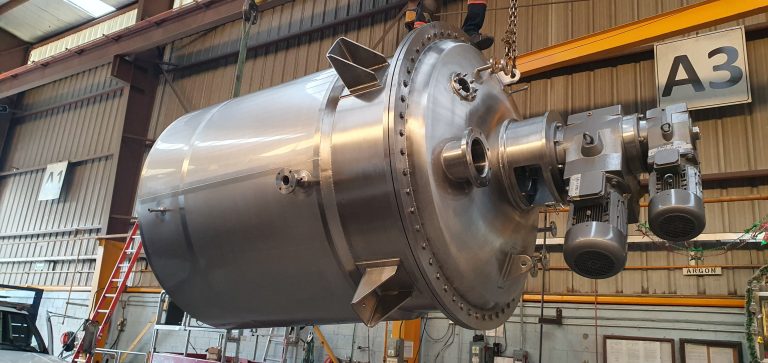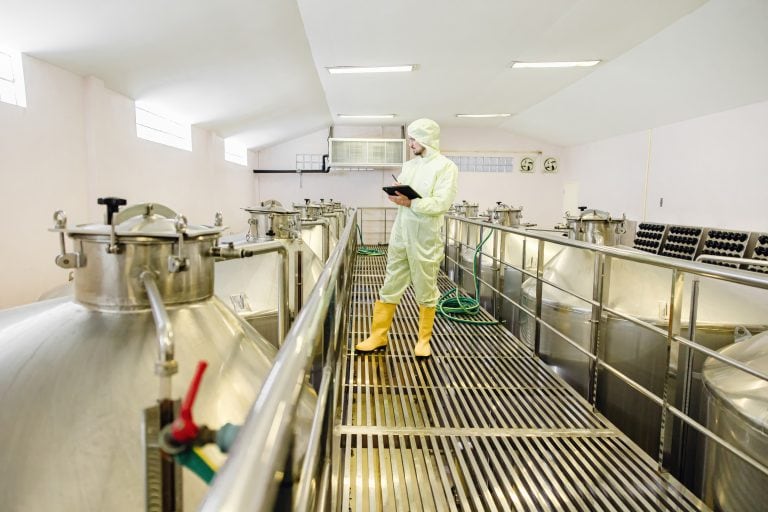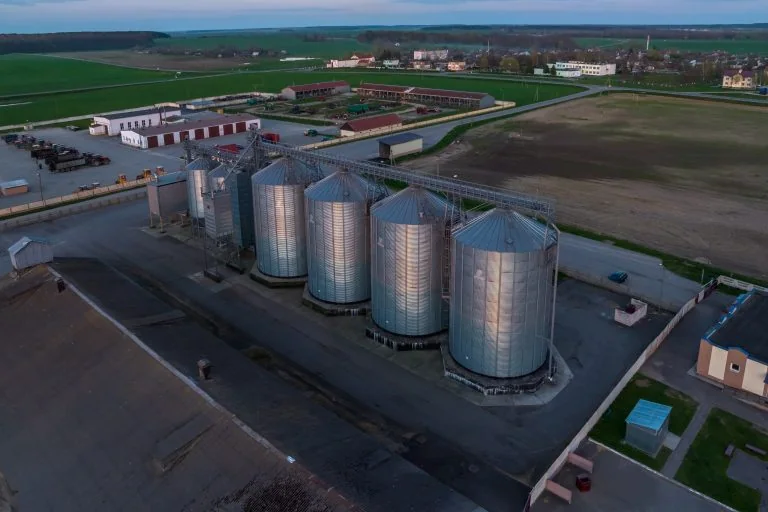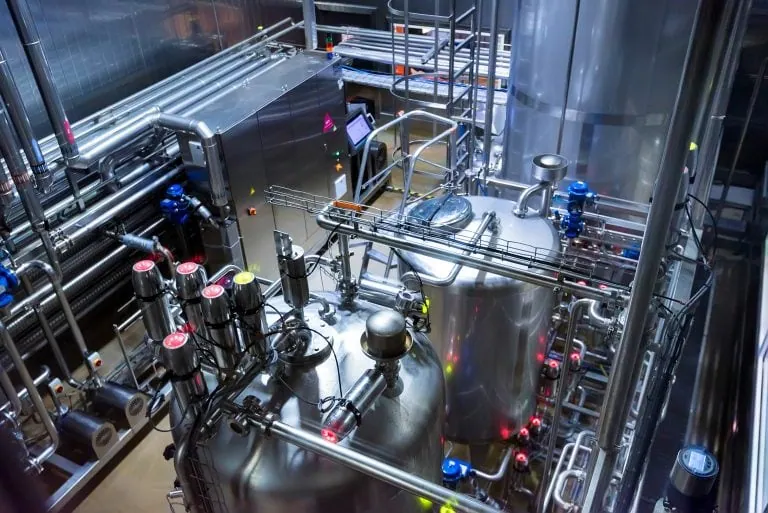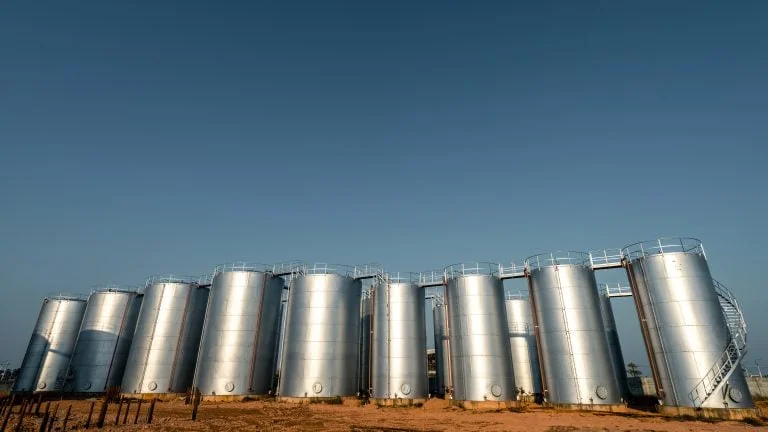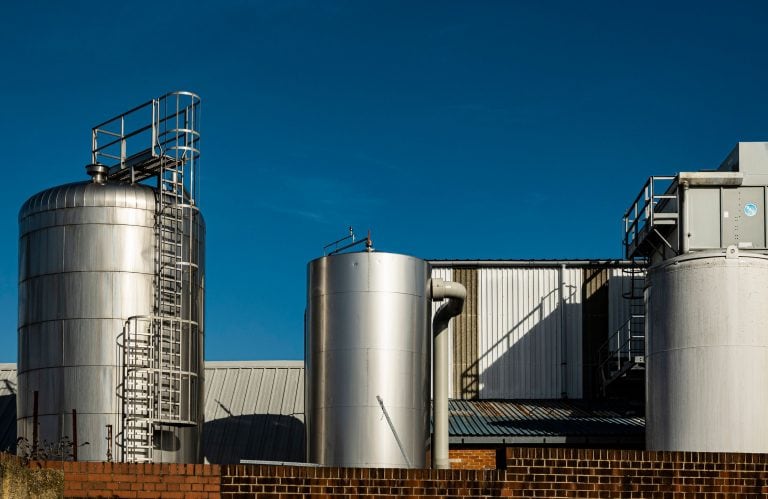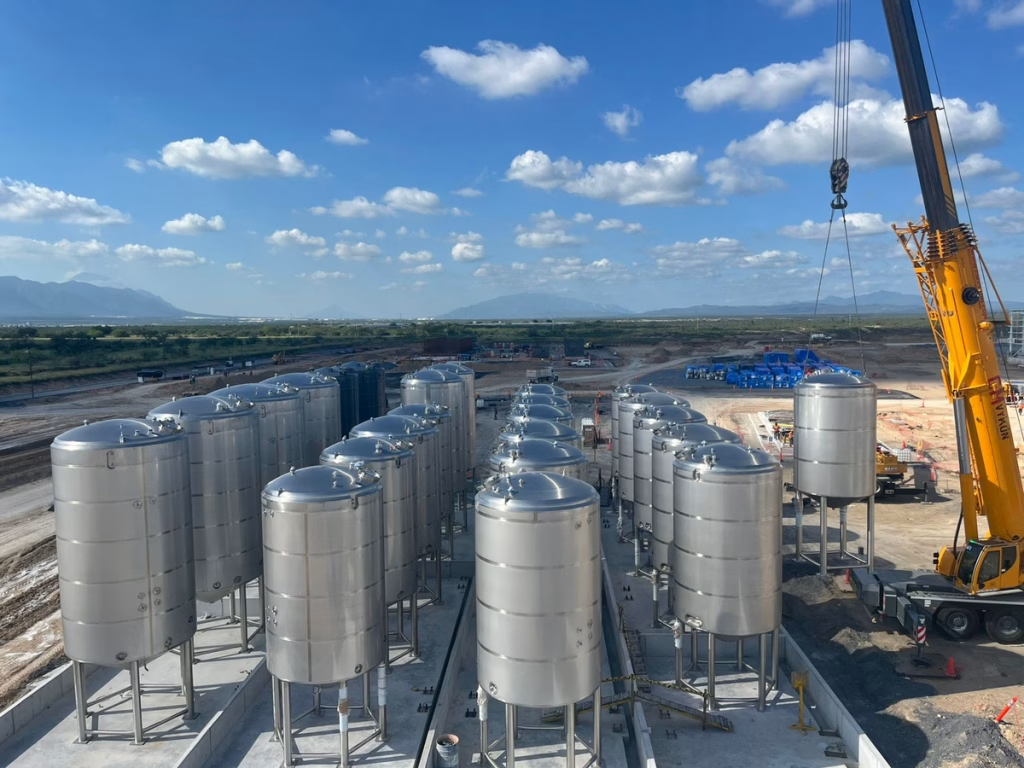
Industrial tank maintenance is much more than a corrective activity; it is an essential preventive strategy that ensures operational continuity, product quality, and equipment service life. In highly demanding industries such as chemical, pharmaceutical, and food processing, a failure can lead to economic losses and critical regulatory risks.
At Falco Latino, we guide you through the fundamental aspects of keeping your storage and process systems in optimal operating condition.
Types of industrial tank maintenance
There are three primary approaches to managing the integrity of your equipment:
- Preventive Maintenance: Scheduled periodic inspections to prevent failures. This includes internal cleaning, inspection of welds, gaskets, and the condition of thermal insulation.
- Corrective Maintenance: Performed after a failure occurs. It involves weld repairs, component replacement, or internal polishing due to wear.
- Predictive Maintenance: Uses technical testing to anticipate failures, such as Non-Destructive Testing (NDT), thickness measurements, and pressure testing.
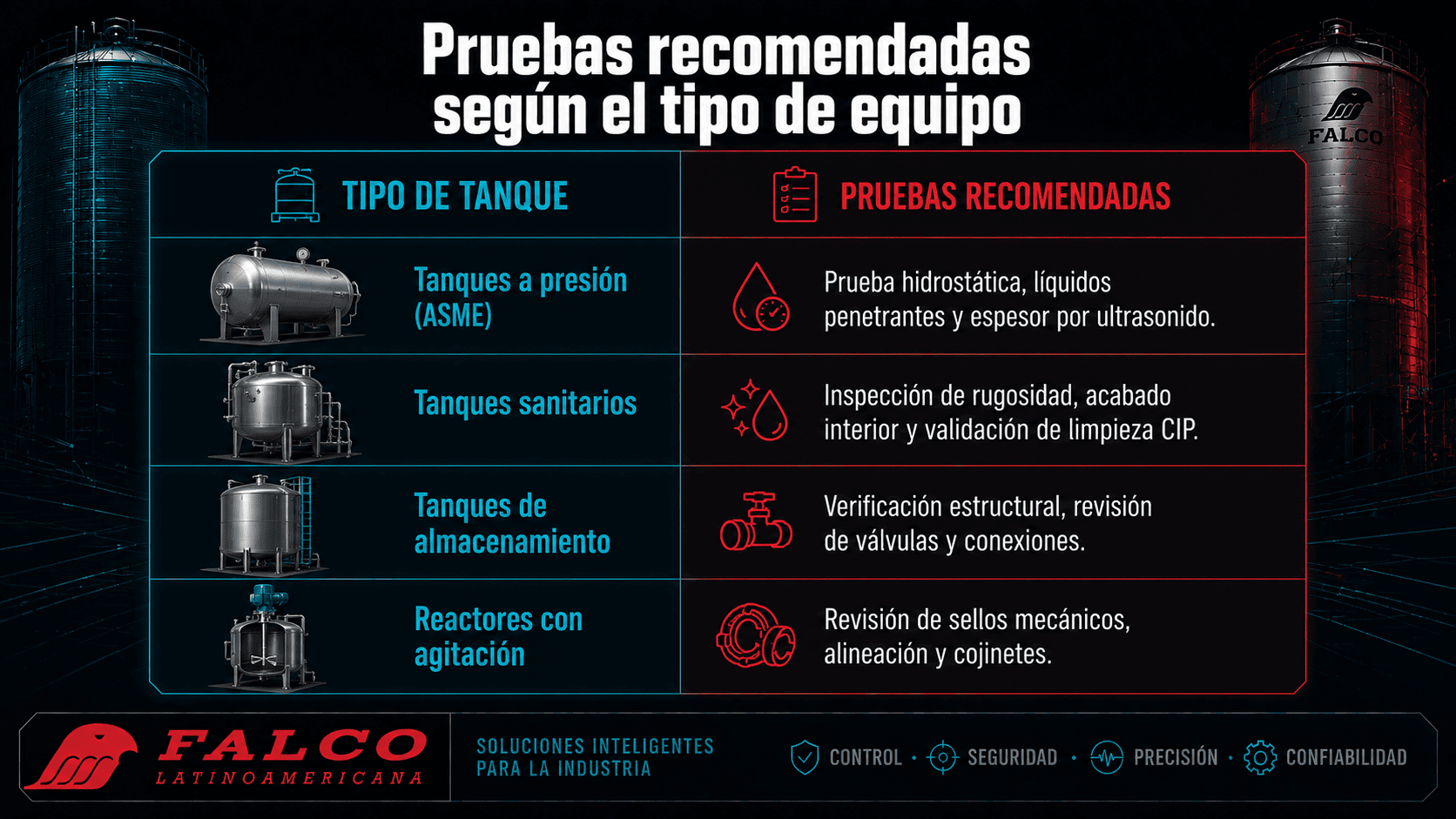
Recommended testing by equipment type
Each tank has specific maintenance requirements. As part of an industrial tank maintenance program, these are the key inspections:
Warning signs in your infrastructure
Identifying early signs that your equipment requires professional industrial tank maintenance can help prevent unplanned shutdowns. Pay attention to:
- Reduced thermal performance of heating jackets..
- Visible corrosion or wear at welded joints.
- Leaks in valves or process connections.
- Abnormal noise from motors and agitation systems.
Best practices in technical management
To ensure maximum efficiency, our engineering team recommends:
- Documented Maintenance Program:Establish inspection frequencies according to the type of equipment.
- Training: Train personnel in warning sign detection.
- Maintenance Log: Maintain a detailed history of every intervention performed on each tank.
- Certification: Perform critical inspections using qualified personnel and certified equipment.
Industrial tank maintenance not only extends the service life of your assets, but also protects your production and ensures compliance with international standards. At Falco Latino, we manufacture robust equipment and provide the technical guidance necessary to keep it operating with maximum safety.
Do you need a technical inspection or specialized engineering support? Contact us today.