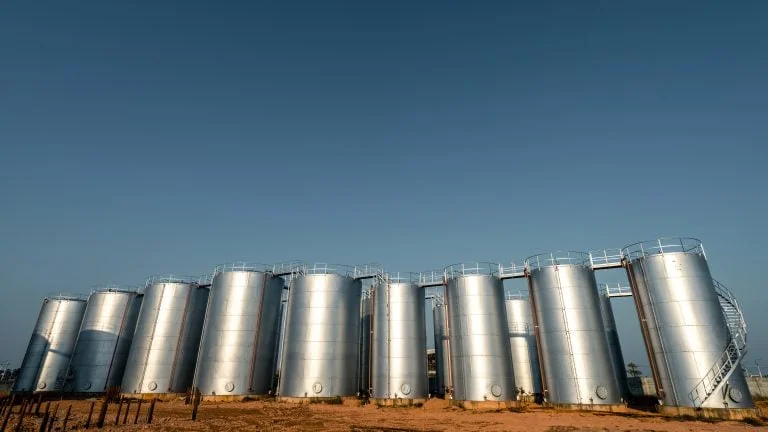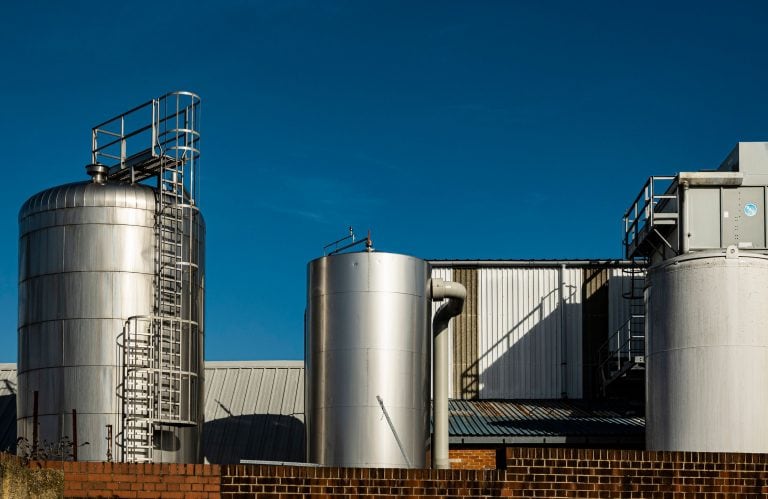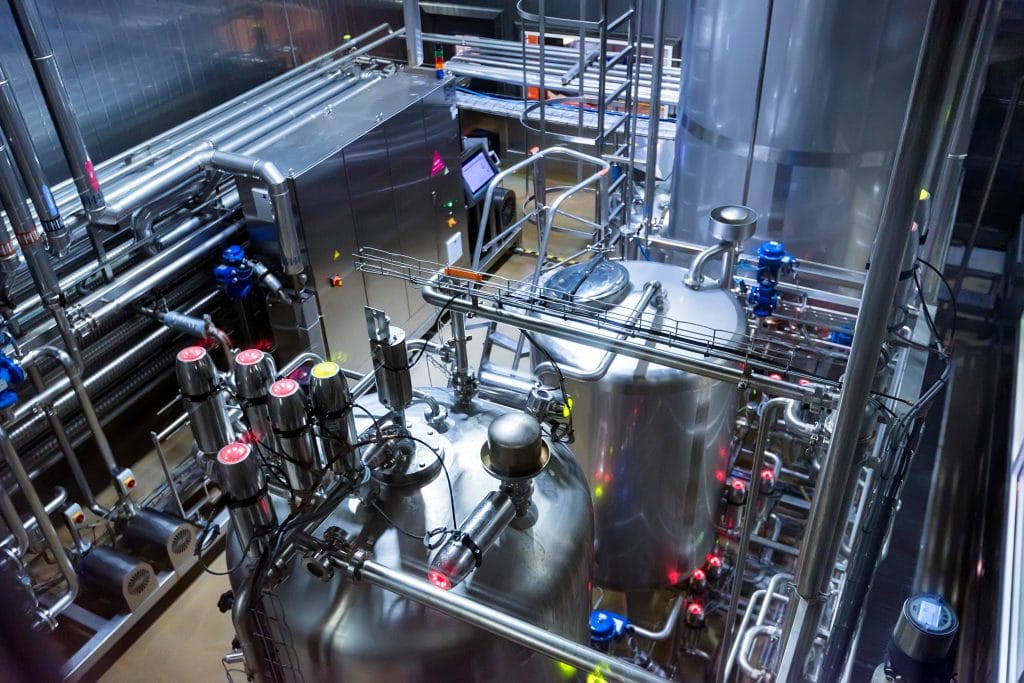
In industries where hygiene is non-negotiable—such as dairy, pharmaceuticals, and beverages—equipment cleaning represents one of the greatest operational challenges. Clean-In-Place (CIP) systems have revolutionized this process, enabling deep microbiological disinfection and decontamination of internal surfaces without the need to dismantle piping or manually open vessels. However, automation alone does not guarantee food safety; tank design is the determining factor. At Falco Latino, we integrate Hygienic Engineering principles (EHEDG) from the conceptual design phase to eliminate critical contamination points and optimize your wash cycles.
1. What Is a CIP System and How Does It Work?
CIP is an automated cleaning method that circulates chemical solutions, rinse water, and steam throughout the equipment. The success of the process depends on four critical factors (the Sinner Circle): Chemical Action, Mechanical Energy (Kinetic Energy), Temperature, and Time.
Para que estos factores actúen correctamente, el diseño del tanque debe eliminar cualquier “punto ciego” donde el producto o las bacterias puedan alojarse.
2. The Science Behind Sinner's Circle in Industrial Design
To guarantee sanitary safety, your tank design must facilitate a balanced interaction among the four pillars of the Sinner’s Circle: Chemical Action, Kinetic Energy, Temperature, and Time. A poorly designed tank forces an increase in detergent and water consumption to compensate for geometric deficiencies, driving up your operating expenses (OPEX).
Advanced Technical Considerations in Sanitary Design
- Radii of Curvature: All internal angles must feature generous radii of curvature (minimum 6-12 mm) to eliminate solids buildup.
- Gasket and Seal Management: We prioritize the use of food-grade seals under FDA and USP Class VI regulations, ensuring hygienic flange design (such as "metal-to-metal" with O-rings) to prevent bacterial proliferation in crevices.
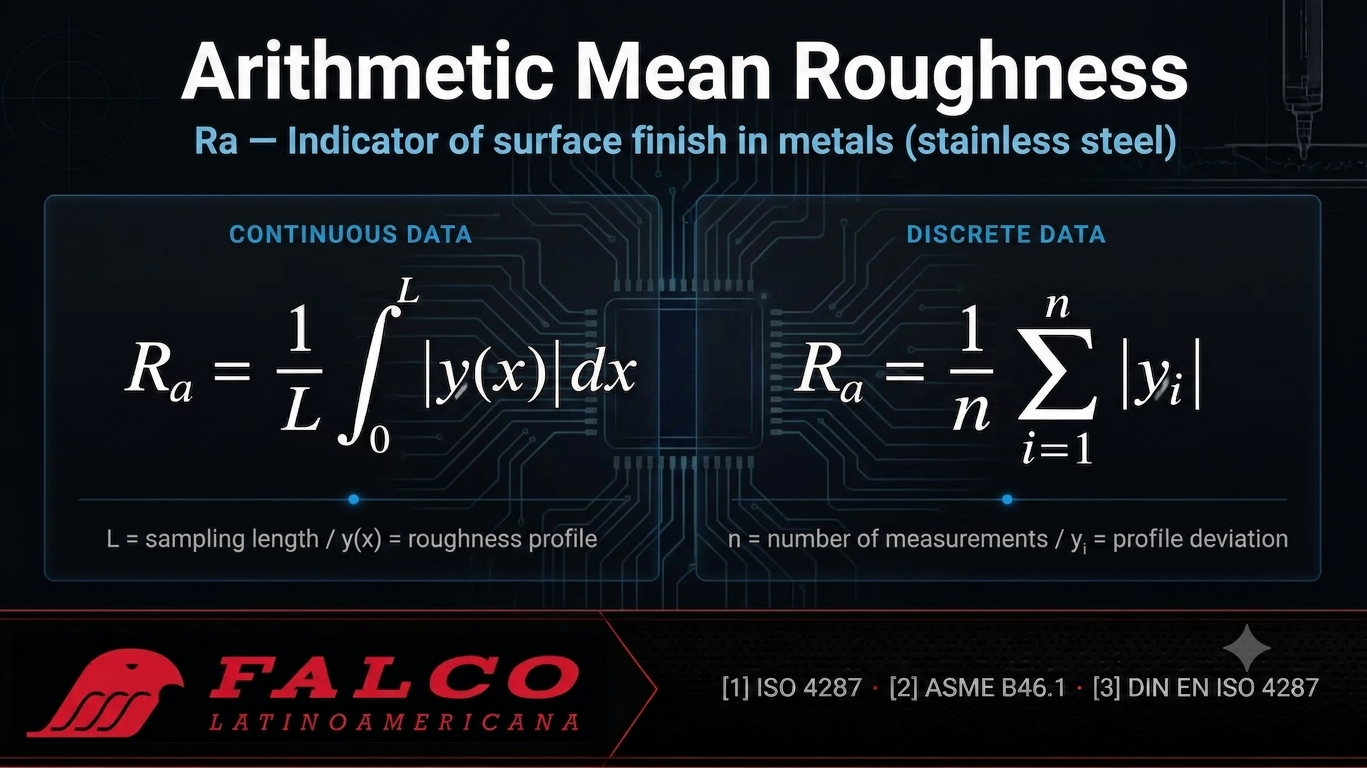
- Surface Finishes: Mechanical and electropolishing are essential. A roughness profile below 0.8 µm Ra is the standard to prevent biofilm adhesion, enabling the CIP to act effectively in shorter cycles.
Preguntas Frecuentes (FAQ) – Optimización de Procesos CIP
- What is the difference between a static and a rotary spray ball? Static spray balls are ideal for smaller tanks with soluble residues, whereas rotary spray balls generate high-energy mechanical impact, which is essential for removing persistent or viscous residues.
- How do I prevent galvanic corrosion in CIP systems? The selection of high-grade stainless steels (316L) and tight temperature control of the cleaning agents (caustic soda, nitric acid) are vital to maintaining long-term metal passivation.
Surface Finish and Roughness
The stainless steel must be polished to a mirror finish. A rough surface allows proteins and biofilms to adhere, making the CIP process ineffective regardless of the cleaning chemicals used.
3. The “Dead Leg”-Free Design
One of the most common mistakes in tank fabrication is allowing the presence of dead legs. These are spaces within valves or pipe connections where the cleaning solution does not circulate with sufficient turbulence.
- Golden Rule: The length of a branch connection should not exceed 1.5 to 2 times its diameter to ensure that the CIP flow reaches the end of the connection.
- Complete Drainage: The tank bottom should have a minimum slope (typically 1 to 2 degrees toward the outlet) to prevent liquid stagnation.
4. Operational Advantages of Integrated CIP Design
| Benefit | Impact on the Plant |
| Benefit Impact on the Plant Food Safety | Eliminates the risk of human error associated with manual cleaning and prevents cross-contamination. |
| Time Savings | Dramatically reduces downtime between production batches. |
| Resource Optimization | Precise control of water, detergents (caustic soda, nitric acid), and energy consumption. |
| Worker Safety | Personnel are not exposed to aggressive chemicals or required to enter confined spaces for cleaning. |
5. Validation and Monitoring
The hygienic design of Falco Latino equipment simplifies cleaning validation. Tanks can include ports for sensors that measure the conductivity and temperature of the returning CIP solution, ensuring that every cleaning cycle complies with the sanitation parameters required by FDA or COFEPRIS audits.
Investing in a tank specifically designed for CIP systems is not merely a technical luxury—it is a profitability strategy. Equipment that can be cleaned quickly, thoroughly, and without disassembly allows your plant to focus on what matters most: producing high-quality products. producir con calidad.
Do you need to upgrade your cleaning processes?
At Falco Latino, we design and manufacture sanitary systems with integrated CIP technology.